
In my last blog I talked about the importance of nutrition and fuelling in general life when training for triathlon. Today I will go into a little more detail about nutrition and fuelling for each individual sport –
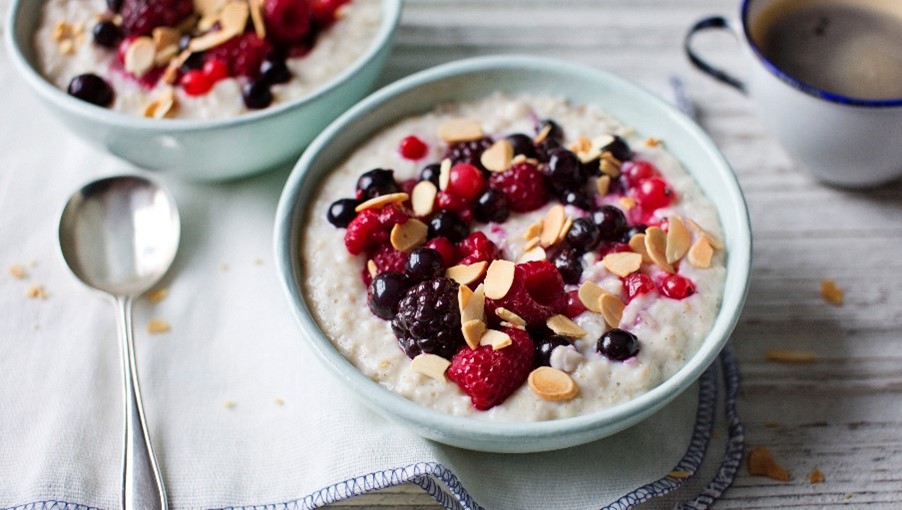
Swimming – As many athletes tend to swim early before work, it’s quite common for triathletes to have a light “first” breakfast (e.g., a slice of toast with peanut butter or perhaps a banana) and then have a proper refuel post-swim with a “second” breakfast that has adequate amounts of protein, carbs, and good fats (think: omelette with veggies and toast or oatmeal/muesli with yogurt and fruit). If it’s a longer session, you might want to consider having some water or energy/electrolyte drink on . Don’t forget poolside. Don’t forget that you do sweat while you swim!
Cycling – For shorter rides of 90 minutes or less, it’s unlikely you’ll need to take on much (unless you’re coming from another workout or haven’t eaten a meal for several hours beforehand). Always carry water or electrolyte drink and aim to drink about 300-500ml per hour (but this can vary greatly depending on your hydration needs, so be sure to experiment with what works best for you). For longer rides of 90 minutes or more, you’ll likely want to take on calories as well as hydration, and the choices are endless. Remember that it doesn’t necessarily need to be fancy energy bars or energy chews (although they certainly have their place)—you can fuel perfectly well with ‘real food’ such as bananas, nuts, jam sandwiches or home-made bars (see my recipe for homemade energy balls).
On the bike when doing longer rides you may need to take on more carbs, this could vary to anything from 40g per hour up to 90g per hour. During a ride, the rate you absorb carbs depends on the intensity – the more intense the work the slower the absorption. Remember that small bites of food frequently are better than huge calorie intakes all at once. If it’s a low intensity ride you may want to consider real food as it is easier to eat at lower intensity but gels and energy drink are really useful on a more intense workout. You can train your body to take on more carbs but this needs to be done over time as too many carbs can affect the gut – not something you want to experience particularly if you plan to run afterwards!
Running – Unless you’re covering mega miles, you won’t need to take on calories while you’re running—simply fuel and hydrate well beforehand (i.e a banana or energy bar an hour or so beforehand) and refuel adequately afterwards. The best diet for triathletes is often one that isn’t too high in fibre before big run workouts (and race day), to lower the chance of G.I. (gastrointestinal distress)
If you do want to fuel during a run workout, the best options are typically energy/electrolyte drink or gels. There are so many brands out there so experiment and see which ones work for you. Keeping your blood sugar up and minimizing any digestion issues is usually the top priority. If you’re looking to take on more and carry more (for runs of two hours or more, for example), you could consider wearing a hydration vest. Remember that longer and hotter workouts will require you to replace what you’re sweating out. Though water alone is fine for shorter sessions, you’ll want to up your sodium intake for training and racing lasting more than one hour.
On my next blog I will explore eating for recovery before moving onto what to eat on race day!