
Importance of Nutrition in Triathlon
I wanted to put together some information about how to eat and fuel around triathlon training and racing. When I refer to nutrition or diet, I am typically referring to food eaten outside of training or racing. When I talk about fuelling, that’s calories and/or hydration consumed during training and racing.
For today I will talk about diet and nutrition in general and will go into more detail about how to fuel for triathlon in my next blog.
I get concerned when I hear athletes trying to train without fuelling properly both before during and after training. If you don’t fuel properly before the session you may not be able to hit the session targets, if you don’t fuel properly during the session then you will finish it depleted and this will have a knock on effect as you won’t recover properly for the next session. Lastly if you don’t give your body the nutrition it needs after a workout then again your muscles won’t repair and be ready for the next session. Glucose is the main source of fuel for our cells. When the body doesn’t need to use the glucose straight away for energy, it stores it in the liver and muscles. Within four to eight hours from the beginning of a meal, your body begins to store consumed calories. The first 1,000 calories or so are automatically stored within the liver and muscles as glycogen. When the body needs more energy, certain proteins called enzymes break down glycogen into glucose. They send the glucose out into the body. This is why its important to eat and replace carbohydrates during and after exercise otherwise your body won’t have the glycogen to call on when needed and you won’t recover properly for the next session.
Now I’m not saying that you need to be constantly shovelling carbs into your body and I know body weight is something that is regularly talked about but the long and the short of it is that if we eat a well balanced diet of carbs, protein, fats, vitamins and minerals, fruit and vegetables then we shouldn’t be going far wrong. Remember, we don’t need to eat as much as the pro’s as they are training 30 hours + a week but we definitely shouldn’t be starving ourselves.
When it comes to figures we are all individual but below is a guide to the ‘average’ intake we would need per day based on body weight – Obviously if you are having a rest day or ‘light’ training day you may need less but if it is a big training day with intensity or volume you may need more –
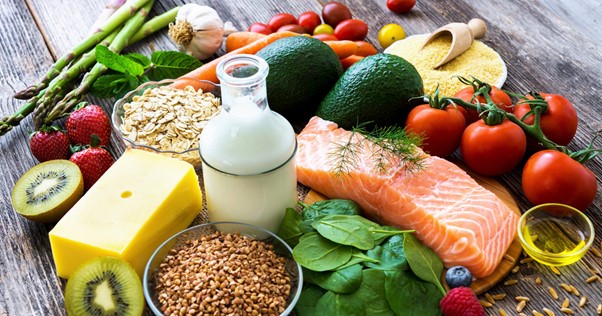
When it comes to the type of food that we eat to get these calories we need to make the right choices. Daily meal carbohydrates could come from things such as oats, potatoes, sweet potatoes, vegetables, fruit, rice, pasta, couscous. Remember that chips and pizza hold no nutritional value (although are rather nice as an occasional treat post-race!) Daily proteins can be introduced into meals and snacks through chicken, turkey, fish, yoghurt, eggs, tuna and protein shakes. Ideal fats to consume are small quantities of nuts, oily fish and avocados. These foods contain ‘good fats’ the only fats you need to be avoiding are the ones found in shop brought cakes, biscuits and ready-made processed food. Lastly don’t forget your micronutrients which include Vitamins particularly Vitamin D, Iron and Magnesium. Vitamin D can be taken as a supplement if you live in a country that doesn’t experience much sunshine (vitamin D is absorbed by our skin from the sun) It is vital for muscle tissue recovery and good bone health. Eat a rainbow and a wide variety of whole foods, including fruits, vegetables, whole grains, legumes, and plant- or animal-based protein. Colourful foods like fruits and vegetables have wide varieties of vitamins and minerals. I will delve into more detail about how to fuel for each particular sport and for races in my next blog, but for now just try and remember to eat a well-rounded diet of fresh and colourful foods, avoid processed foods and refined sugar and you won’t be going far wrong! |